Highlights
NOVARTIS
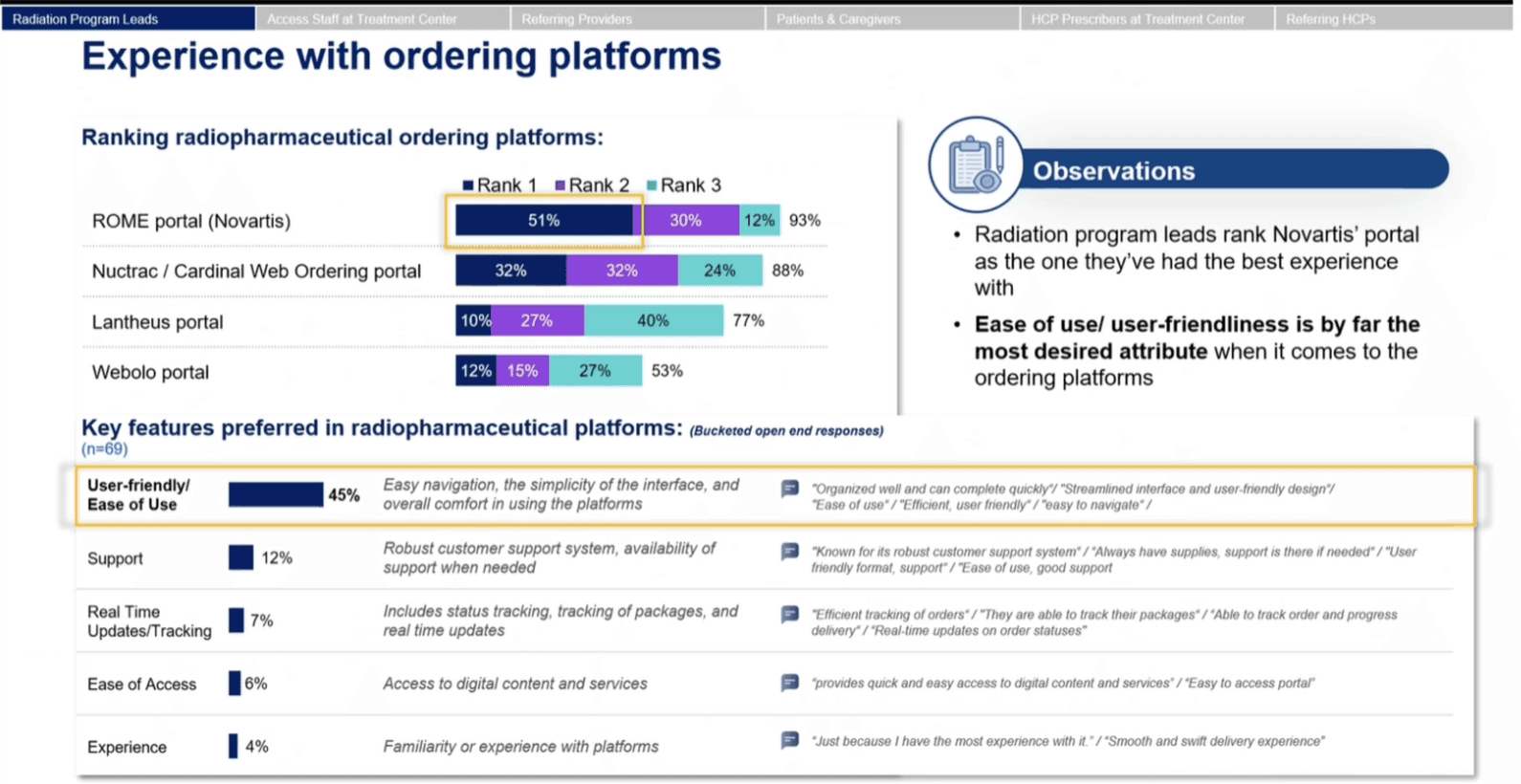
No.1 Ranked Ordering Platform
Leading by 19%, ROME displaced long-standing market leaders for the first time in its history.
4.8 ⭐️ Customer Satisfaction Rating
From an initial 3.8 to 4.8 immediately following ROME's redesign release and sustained for 6 consecutive quarters
2x Total Order Volume, -20% Returns
Total order volume increased by more than double
and total number of unused doses reduced by 20%
User Engagement Multiplied
Increased and sustained customer engagement, increasing by several multitudes.
Pluvicto: 22 → 201 responses (+814%)
Lutathera: 22 → 81responses (+268%)
Background
The Product
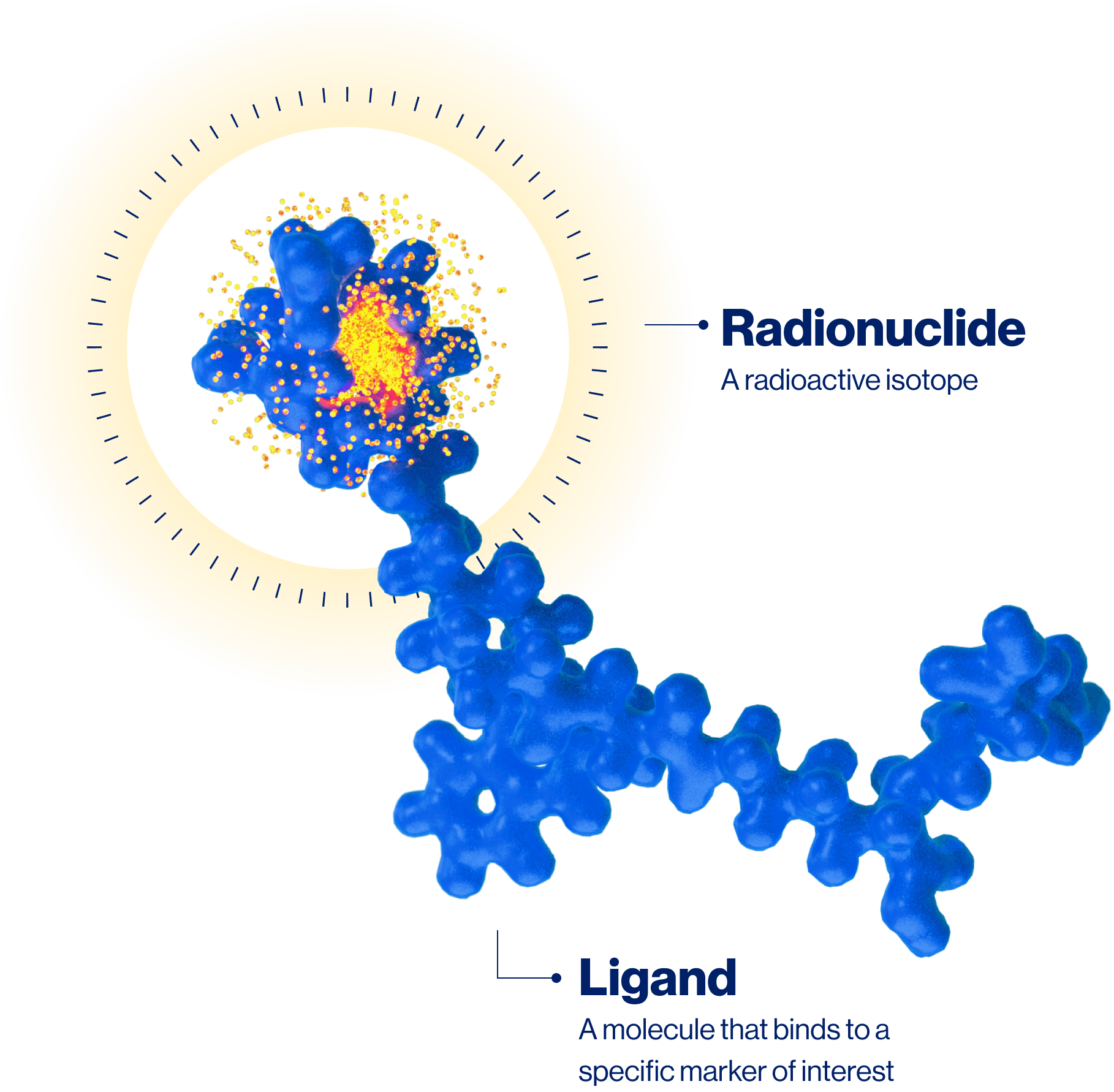
Radioligand therapy targets tumor cells by binding to specific receptors or antigens on cancer cells, helping limit damage to nearby healthy tissue.
The Platform
ROME is the platform that manages RLT ordering, scheduling, and delivery.
The Impact
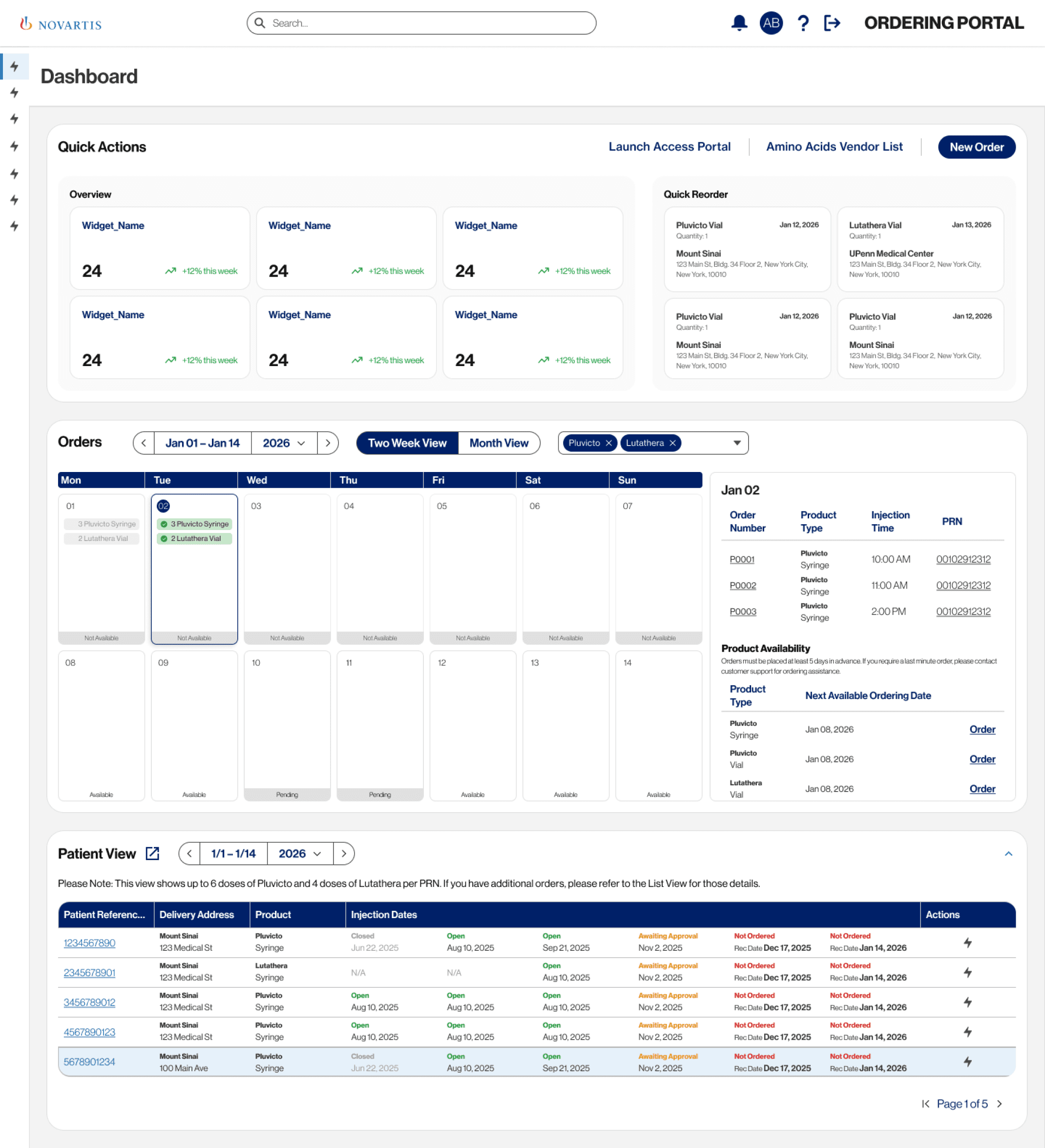
In under three years, ROME became customers’ #1 preferred platform, beating established competitors by 19%, driven by a major end-to-end overhaul of the experience, new capabilities, and ecosystem alignment.
Role
Product Design Lead
I led end-to-end product design for ROME as it scaled from a single platform into a broader enterprise ecosystem. As scope and complexity increased, I took ownership of design governance and system scalability across multiple products under the NPS umbrella, ensuring teams could move quickly without fragmenting the experience.
5 Designers
3 Platforms
4 Design Systems
Design Fragmentation
Design and stakeholder alignment across platforms
As ROME expanded, parallel workstreams emerged across internal teams and external vendors. Asynchronous execution and siloed ownership led to duplicated effort, inconsistent UI patterns, and conflicting research outputs.
I stepped in to establish lightweight design governance, introducing shared ways of working, clear ownership, and accountability, so teams could operate independently without drifting apart.
Key Responsibilities
Acted as a central design liaison across vendors, project managers, and backend teams
Set priorities and delegated work across designers and platforms
Drove design system consolidation and alignment
Led design audits and critique to maintain consistency across platforms
Design
Hands-on UX/UI design, collaborating closely with cross-functional teams, customer support teams, and field agents.
Figma
Salesforce – SLDS2
Design Systems
Web / Enterprise B2B
Design System Dilemma
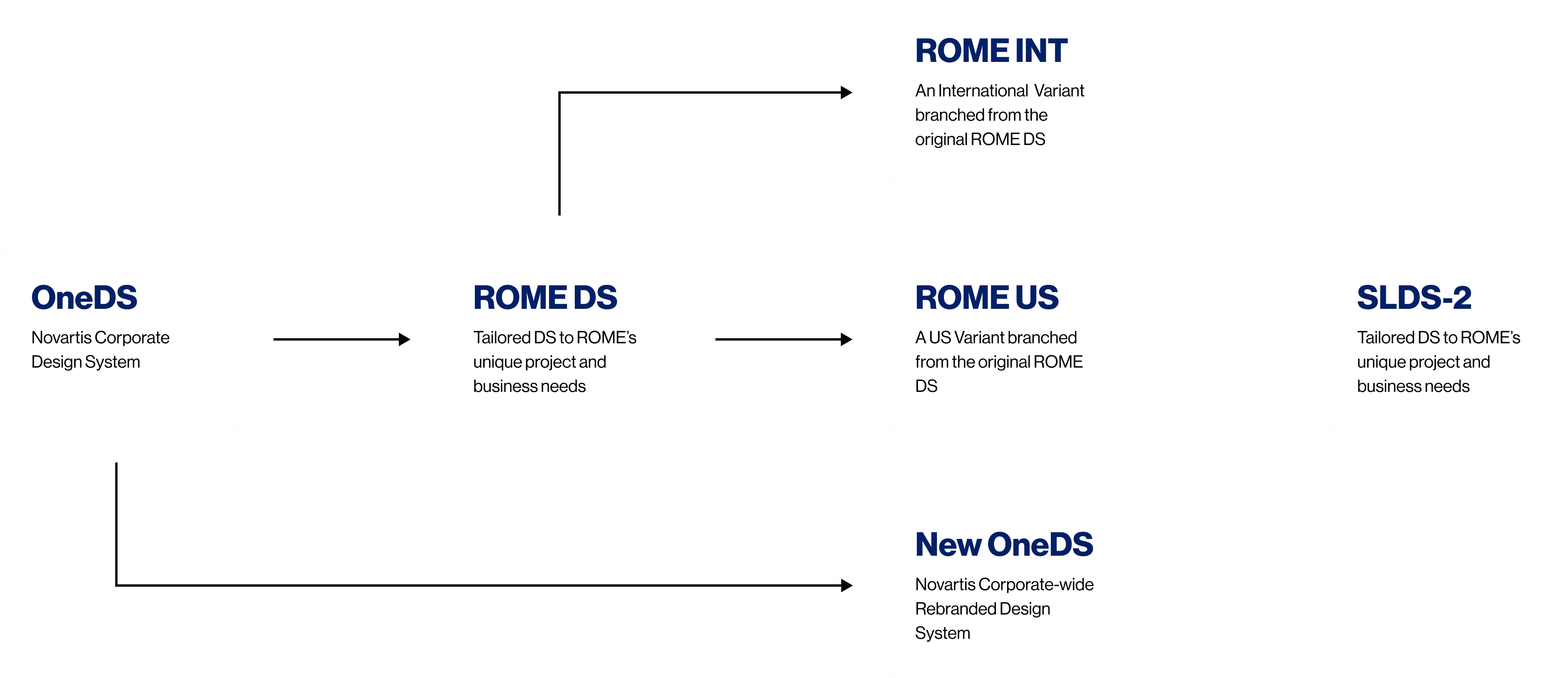
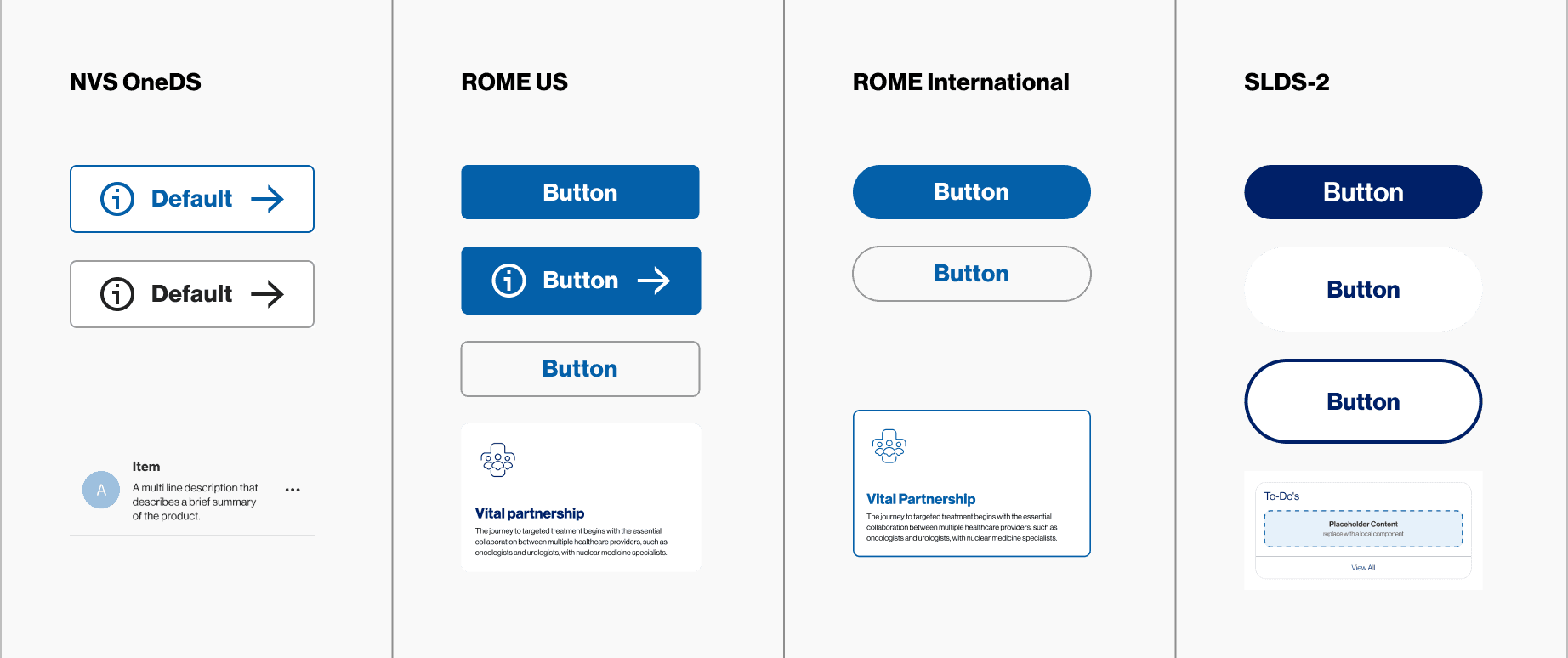
How one design system split into four
At first
I built a scalable atomic design system with shared libraries, variants, and style guides to keep ROME consistent and adaptable.
Over time
Novartis launched a global rebrand. At the same time, ROME split into U.S. and Global instances, each with different business priorities and brand identities. I tried to maintain cohesion, but they slowly drifted further apart with every release.
Then came NPS
A new enterprise umbrella housing US ROME and a new Access Portal platform. Access Portal was built 0→1 on Salesforce, and I used SLDS2 to deliver fast based on tight deadlines and constraints, although I succeeded, it was another system to manage.
As a result
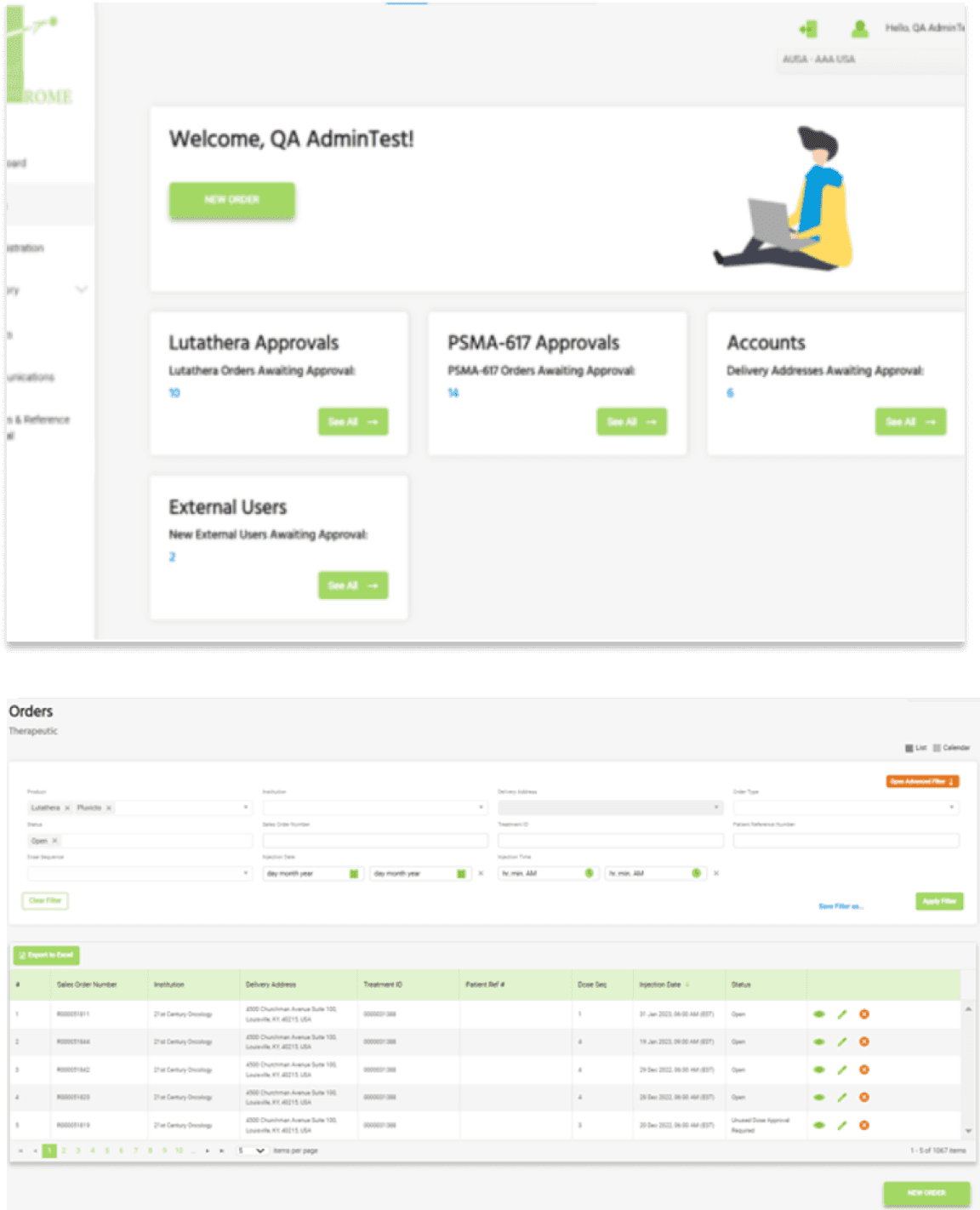
While, I had tremendous success scaling and maintaining the US ROME (the original) design system, the larger ecosystem fragmented into four competing systems as the program shifted and evolved:
Global ROME
US ROME
Access Portal SLDS2
Novartis OneDS
Today
I’m no longer involved with the Global team, but that hasn’t made things easier. My focus remains on consolidating the design systems, identifying overlaps, driving consistency, and modernizing the experience. I work asynchronously with designers, vendors, and stakeholders to ensure a unified system and experience.
Research
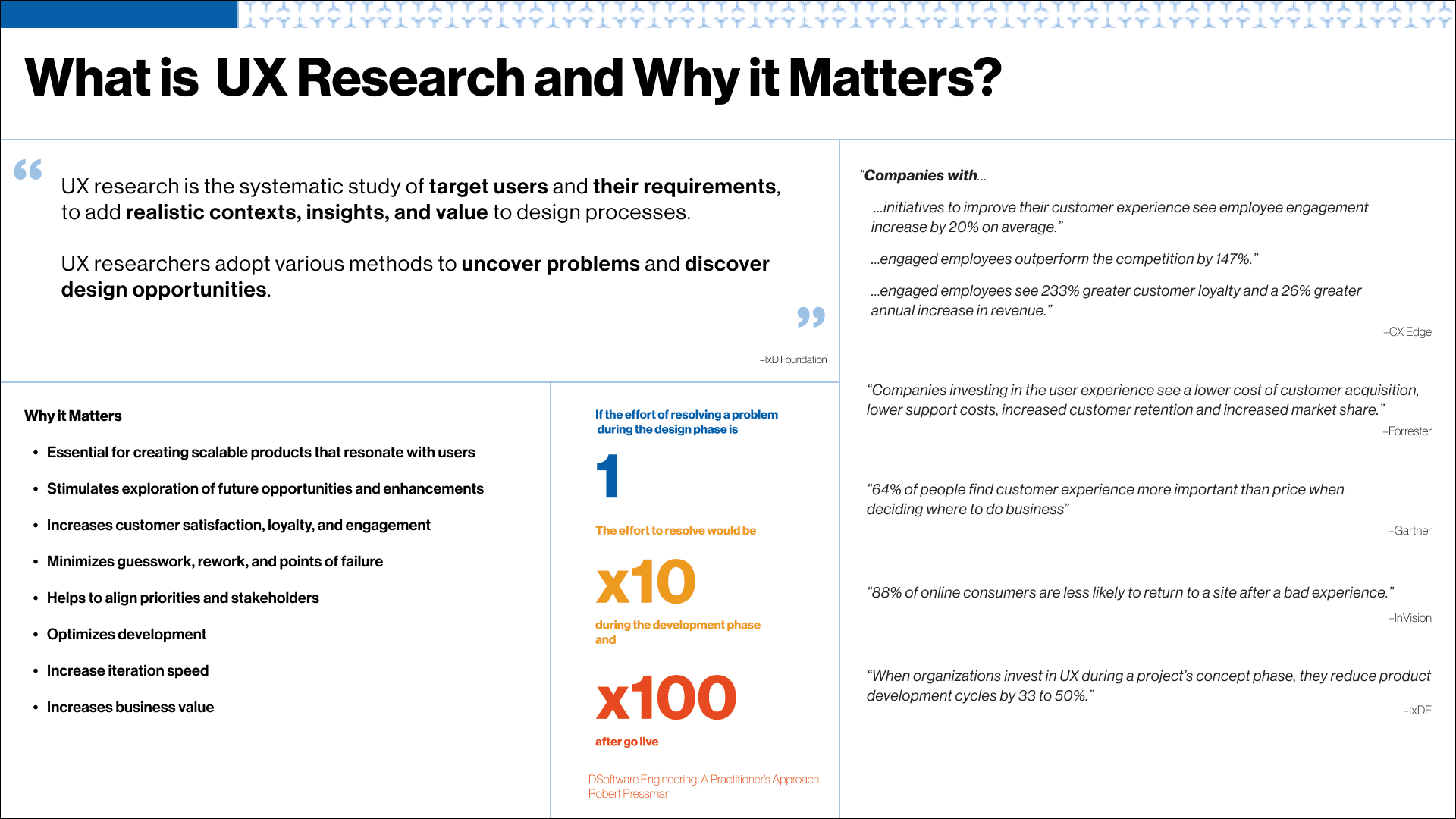
Initially, research wasn’t prioritized. I worked with product managers to create time to speak with end users and customer support representatives. Although it meant slowing design temporarily, it reduced rework and clarified requirements before deployment.
User Interviews
Usability Testing
User Surveys
Advisory Boards
Advocacy
I successfully advocated to program managers to allocate resources for user research sessions, and earlier customer engagement and design validation, trimming down UAT time and development rework.
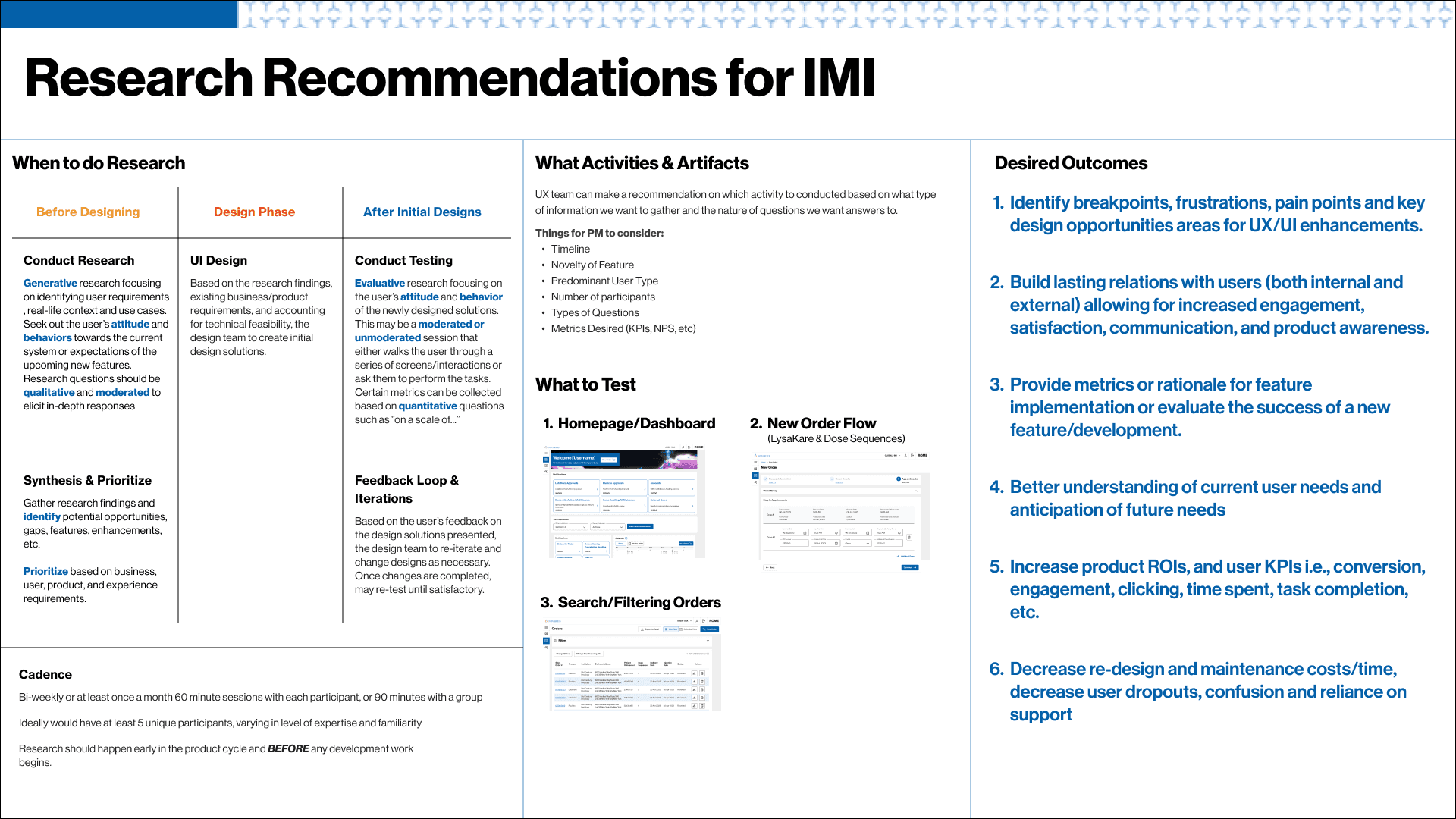
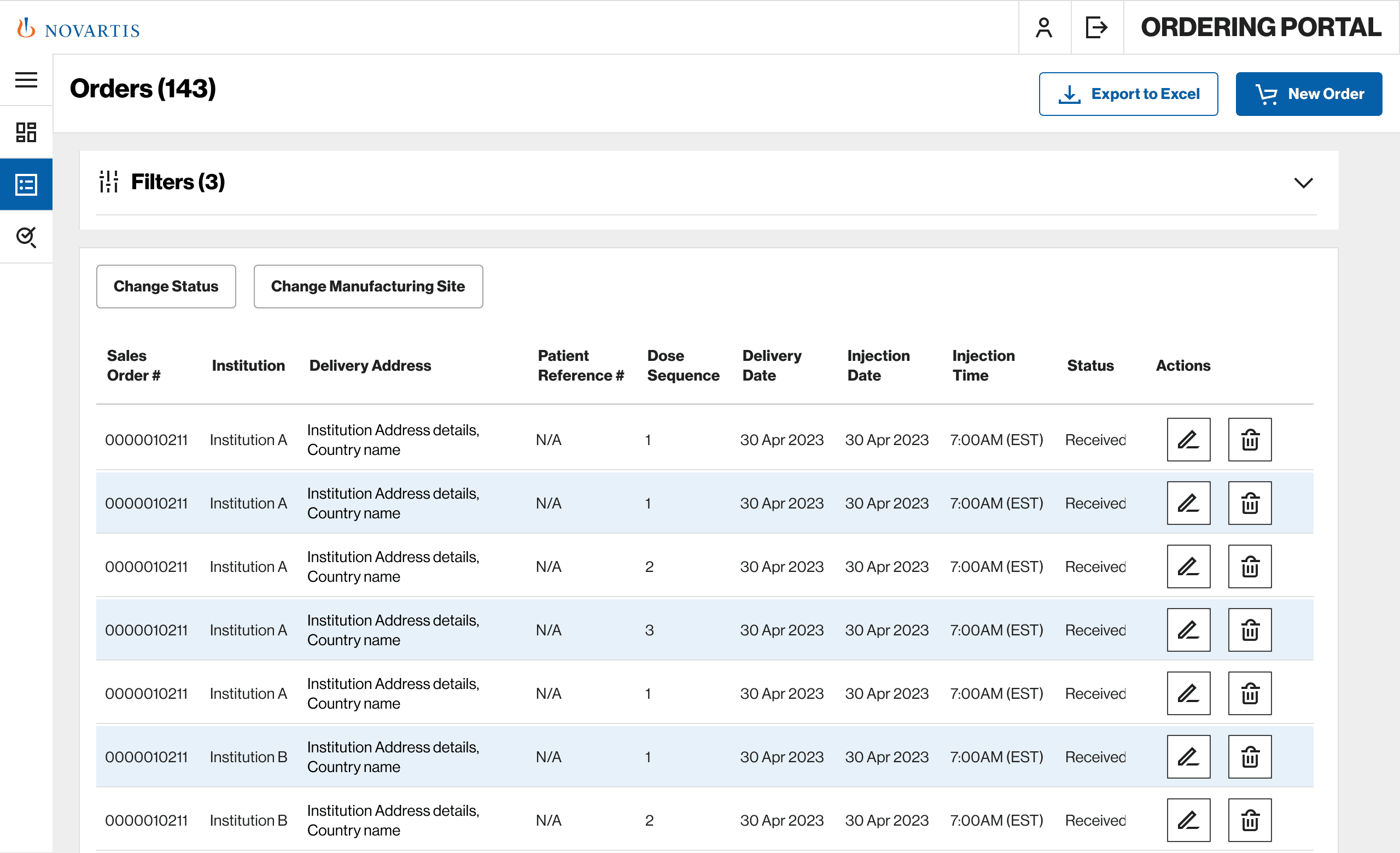
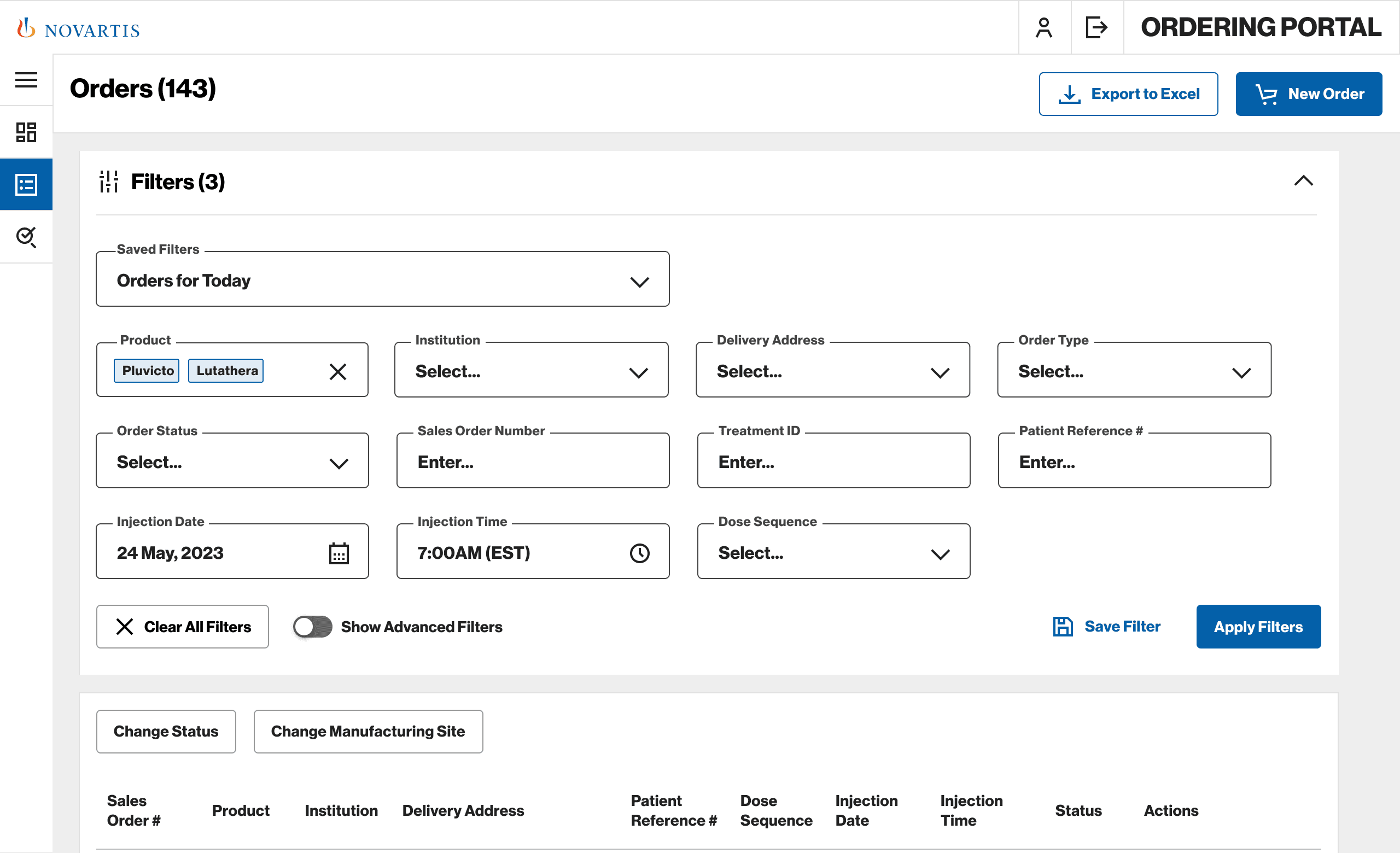
Example: Filter selections took up 30% of the page. I recommended to collapse it by default to maximize vertical space on the orders list page. After deployment, user feedback revealed this added friction as filters was very commonly used, unlike commercial platforms. We had to rework to reverse course, a reminder that even safe assumptions can benefit from user validation.
Impact
My contributions to ROME was massively impactful. Whether it is based on excellent customer feedback, ratings, or exceeding business metrics.
Customers – The customer feedback is a testimony to the efficiency and value generated by my work. Immediately following a major design release, customer satisfaction scores improved by 69.5% relative to the ideal benchmark of 5.0.
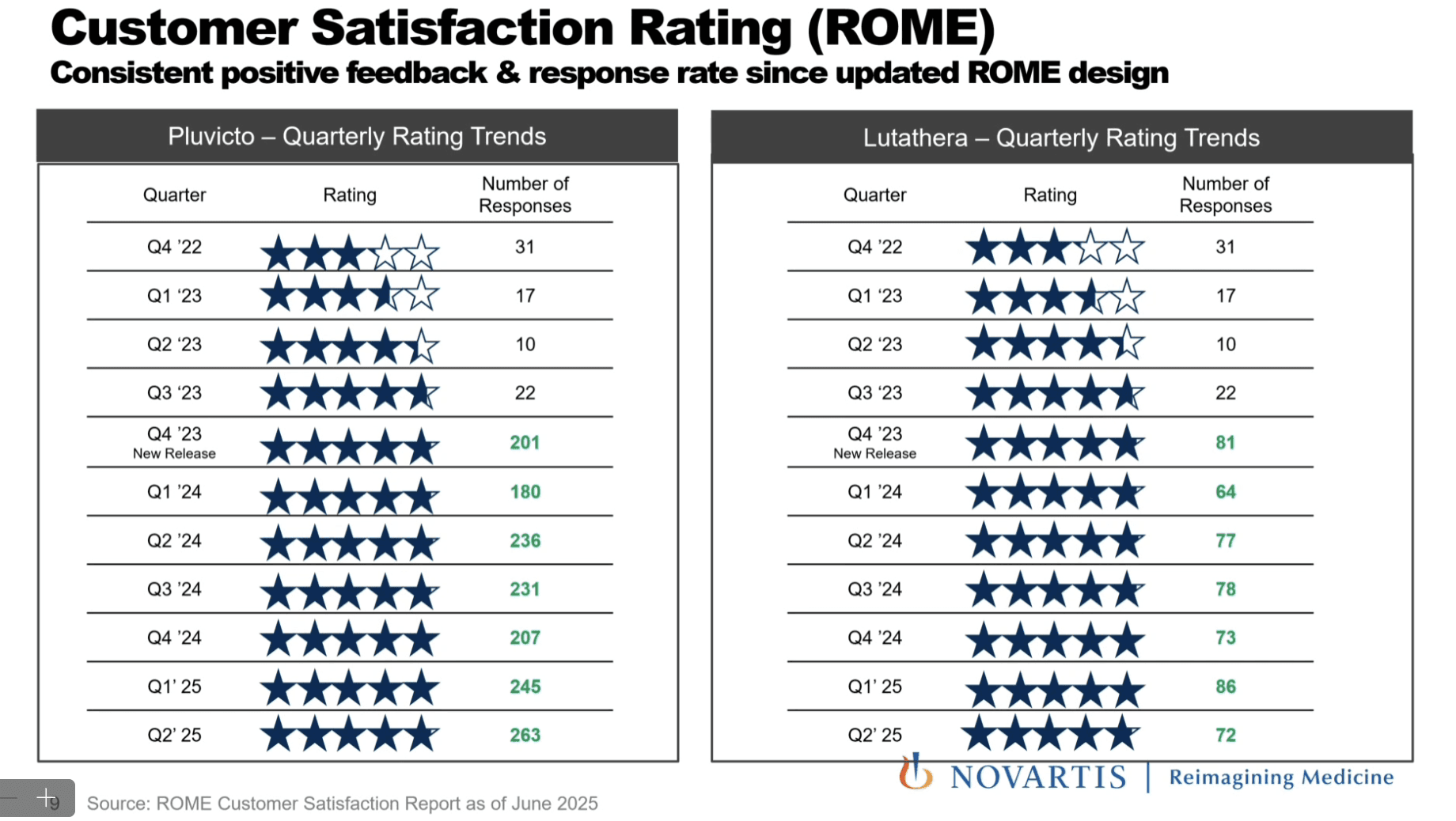
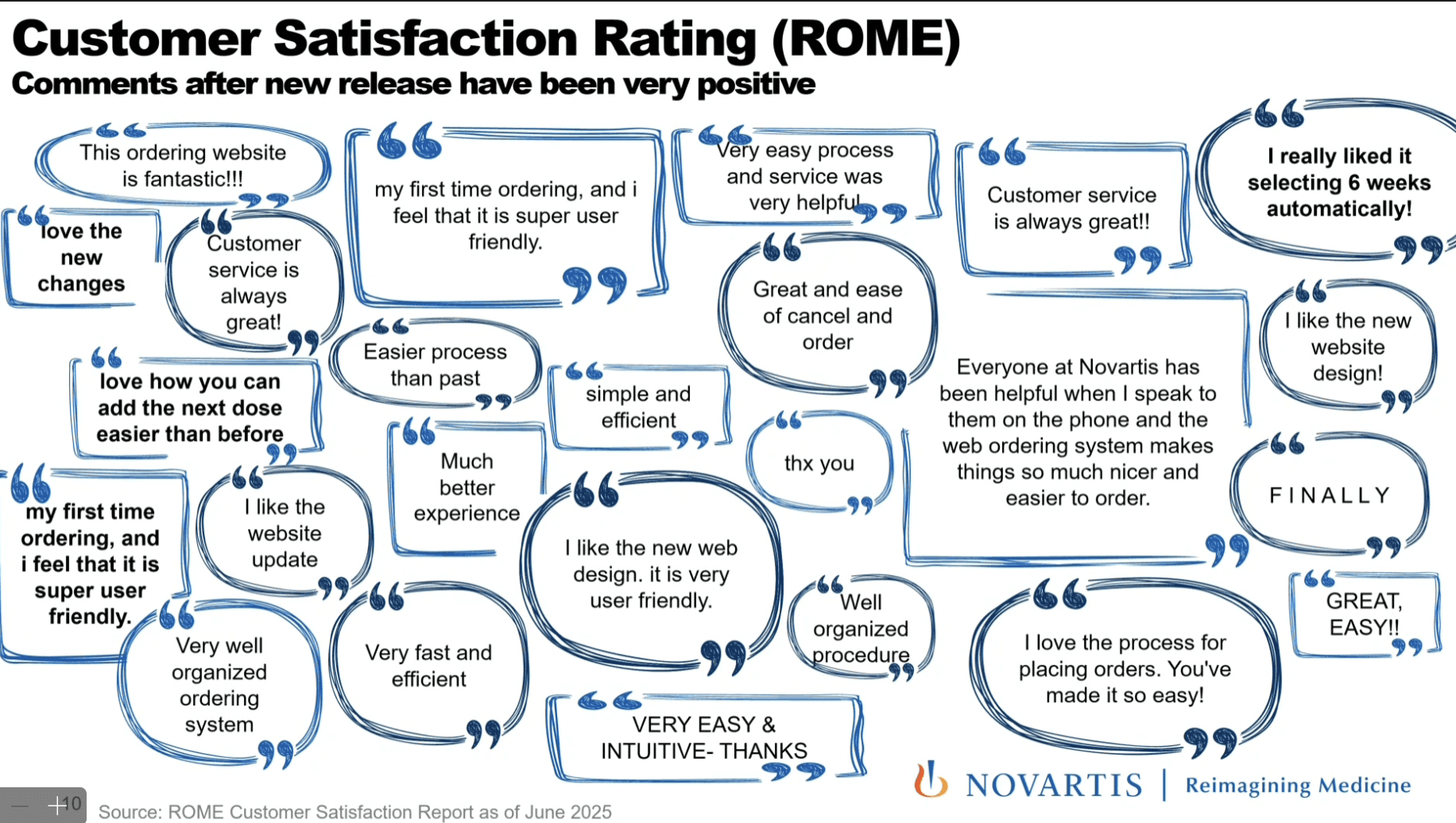
Business – Impressive customer feedback highlights the successes brought upon by ROME for the business. ROME has become the benchmark for positive customer experiences and usability. For the first time, customers ranked our platform as the #1 preferred ordering experience, surpassing long-standing top competitors.