Highlights
Walgreens
Design Leadership under Constraints
Led one of two senior design pods through unclear ownership, competing priorities, and tight timelines
Designing through Ambiguity
Turned unclear requirements into shippable experiences without slowing momentum.
Background
The Context
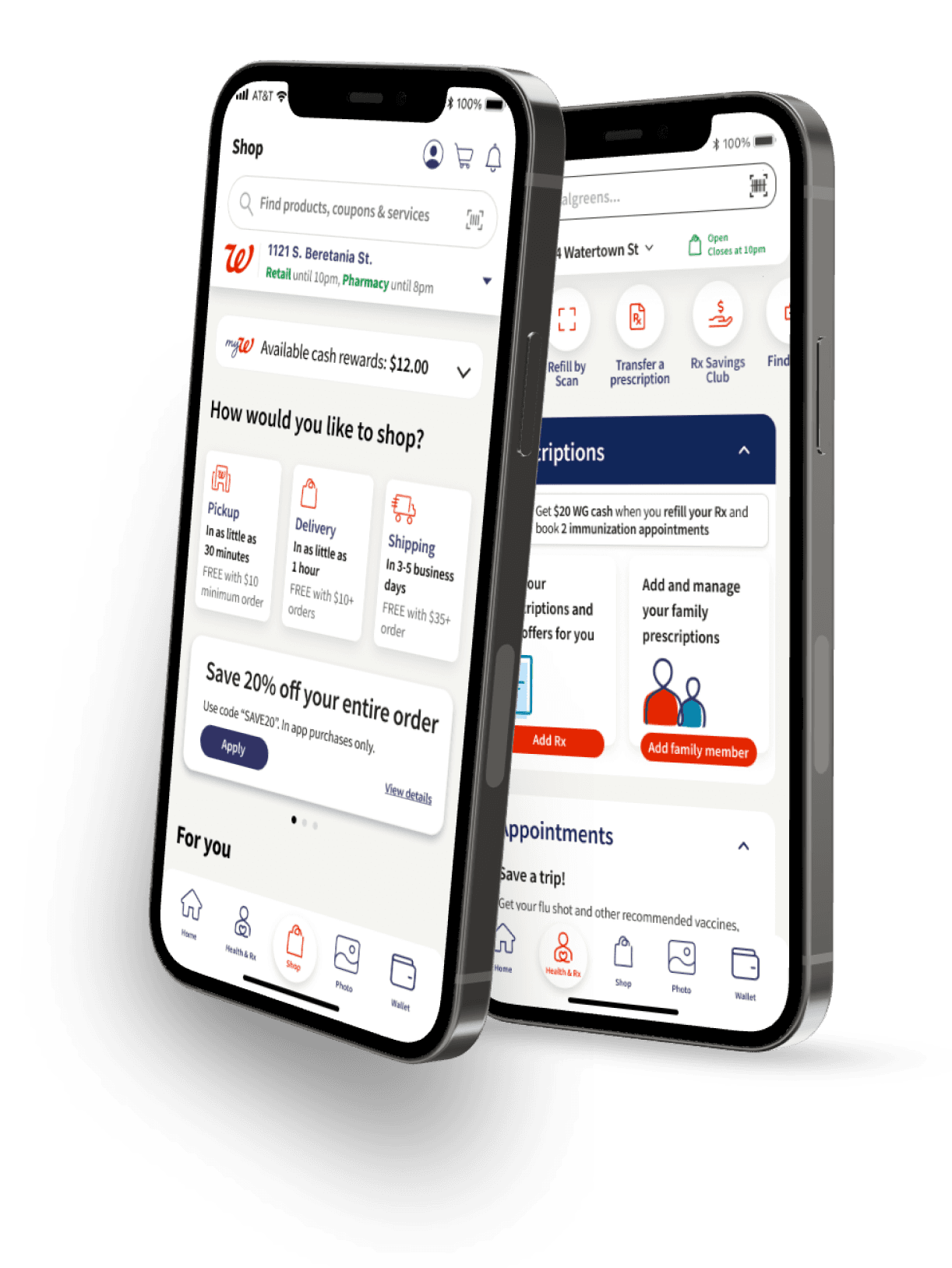
Walgreens’ mobile app spans five lines of business, each with separate priorities, metrics, and stakeholders. This fragmentation created inconsistent experiences, missed cross-sell opportunities, and unclear ownership across the app.
Health
Rx
Shop
Rewards
Photos
Additional Challenges
The client was cautious about making large sweeping changes.
Our teams worked asynchronously to deliver on tight deadlines.
The Ask
Design a cohesive mobile experience that connects Walgreens’ lines of business, surfaces cross-buy opportunities, and increases basket size without disrupting existing workflows.
Role
Design Lead
Design Pod Lead
3 Designers
Async & Cross-border
Design Ops
Defining Ways of Working & Design Execution
Improving team cohesion, accountability, hand-off, and requirements
Overview
I led one of two design pods consisting of senior UX designers. Partnering closely with the project experience director and cross-functional teams, I clarified priorities and requirements. By reducing friction, my pod was able to consistently output designs without losing momentum.
Key Responsibilities
Breaking down ambiguous requirements into concrete actionable tasks for designers
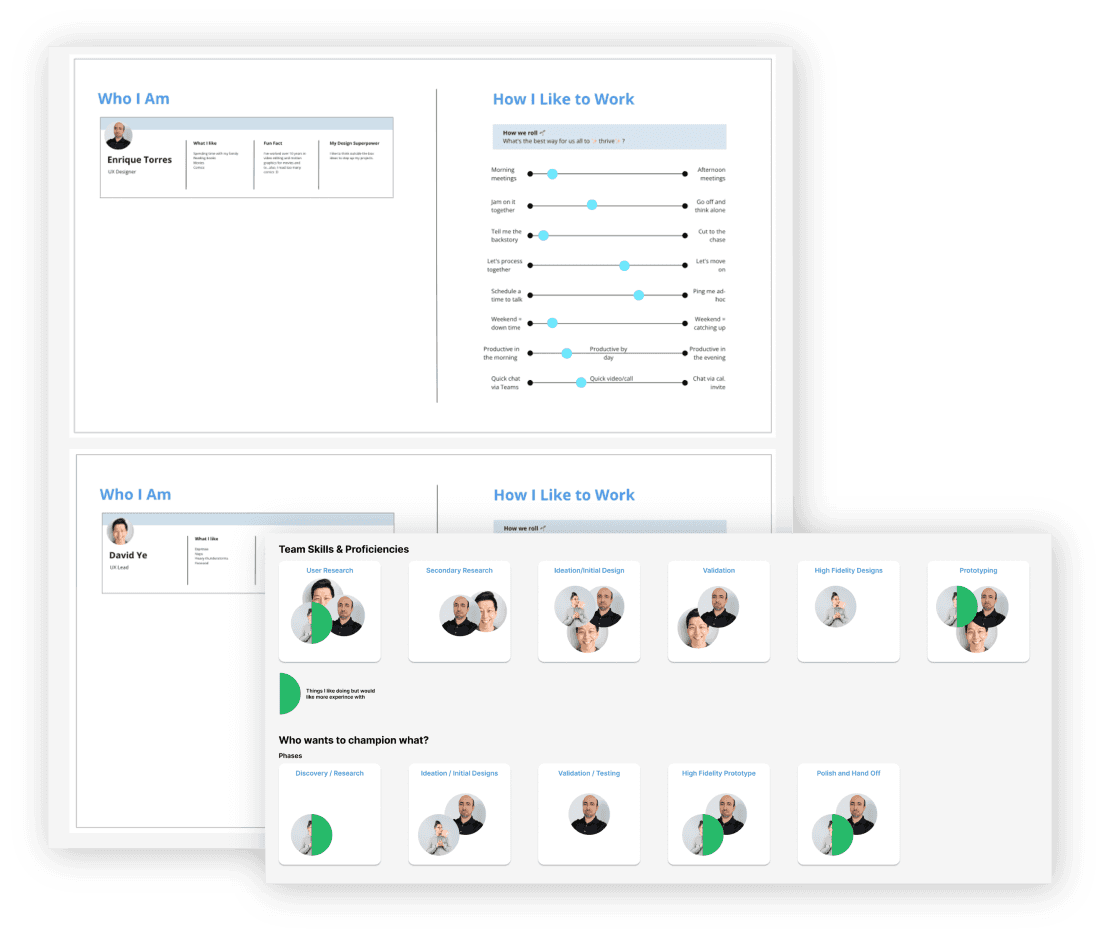
Aligning work to individual strengths while supporting growth areas
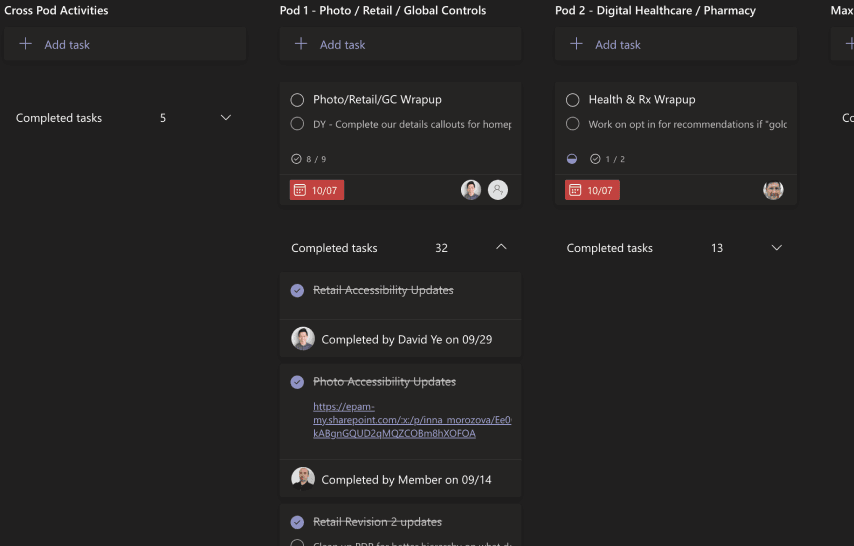
Establishing structure and accountability for an async, cross-border team
(US and Colombia)Introducing processes and tools to improve visibility, coordination, and follow-through
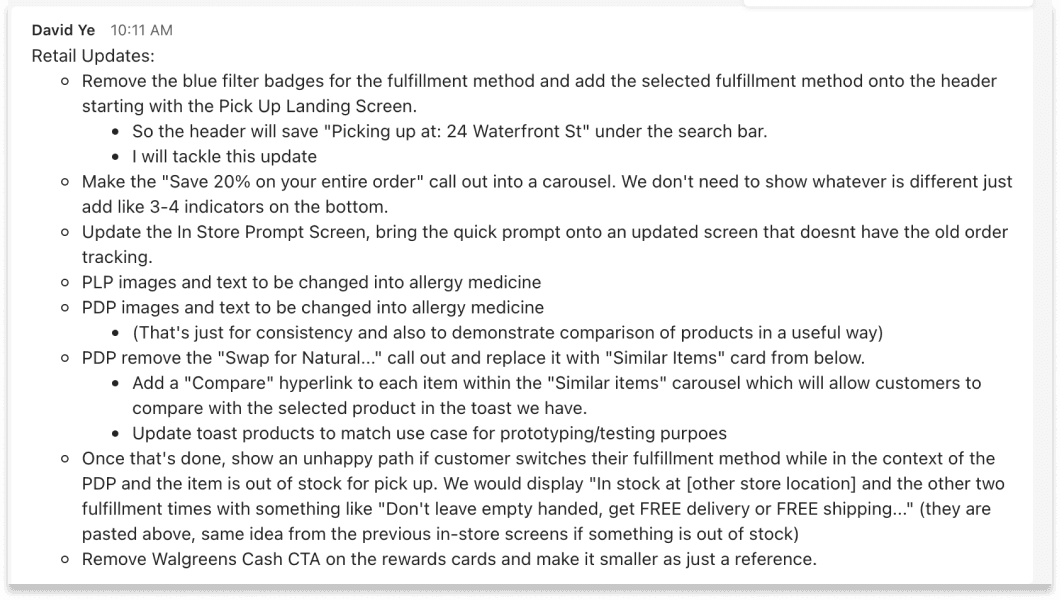
Delivering Designs Even When Requirements Were Unclear
Design Reframing
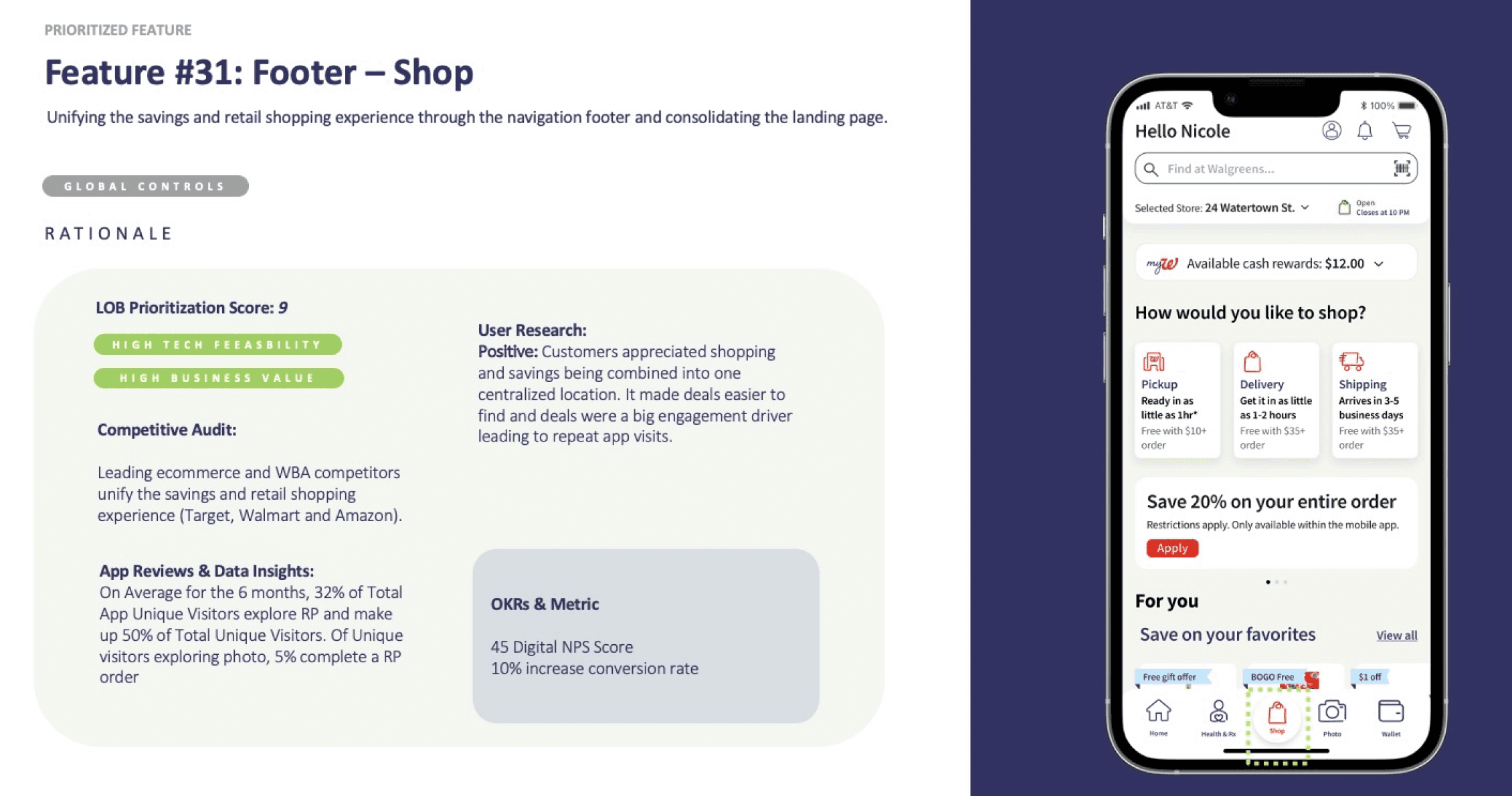
I shifted the problem from a feature mindset to an ecosystem view. Instead of picking apart individual screens and pixels, I pushed the team to look at the Walgreens mobile experience as a whole. It was much more useful to see where the fragmented flow left people confused and missing opportunities.
Connecting the Dots
From there, we started connecting the dots. Every design choice tied back to a research insight, a UX issue we uncovered, or a clear cross-sell opportunity we wanted to surface.
Pivot
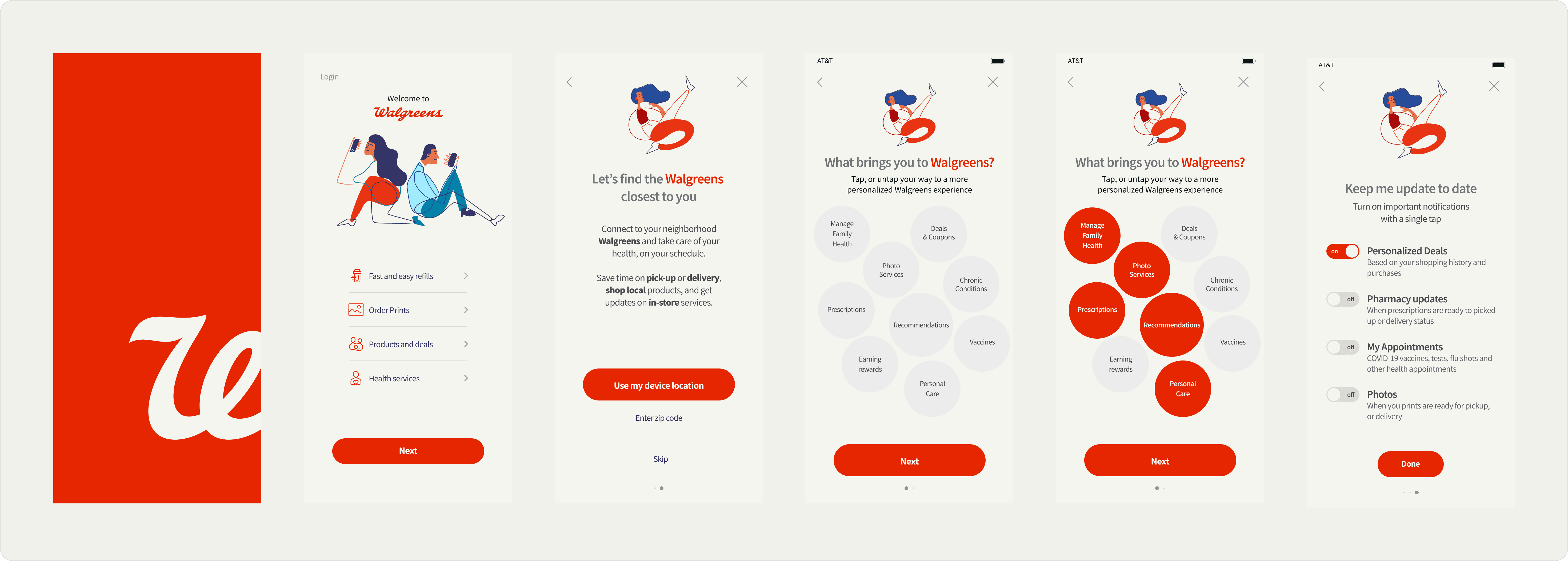
Halfway through, we realized a lot of the pain points we discovered through research could addressed with a stronger onboarding flow. That shift pushed us to focus on helping users understand the navigation and actually discover the features that were buried in the app.
Research
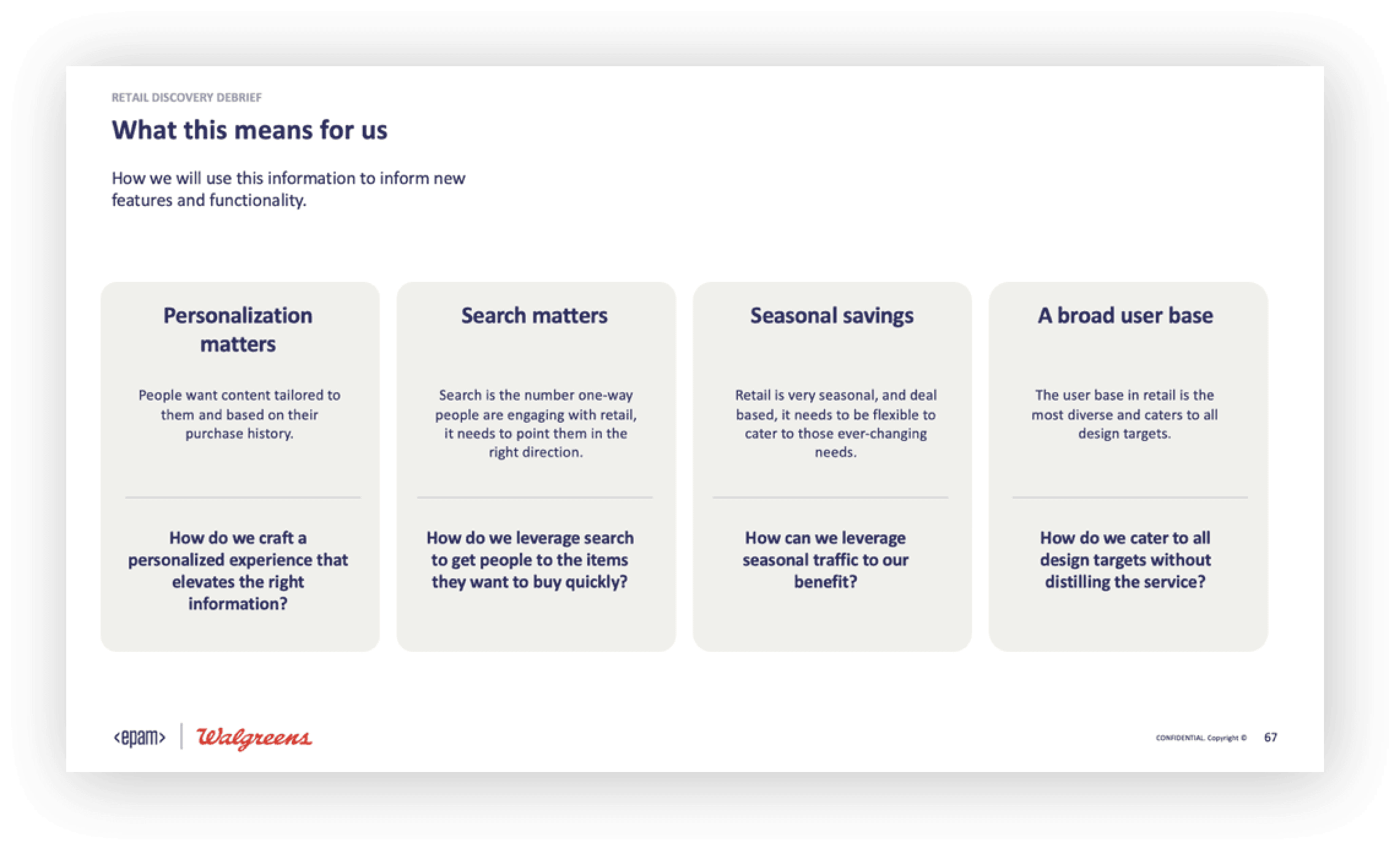
Research was structured into three key phases
Product Exploration
Sitemap & Heuristics
Competitive Analysis
Insights & Recommendations
Design Decisions Led by Research
Understanding the Product
Navigation audit and inventory of the full site map, conducting customer interviews, and synthesizing existing research to surface key pain points and gaps.
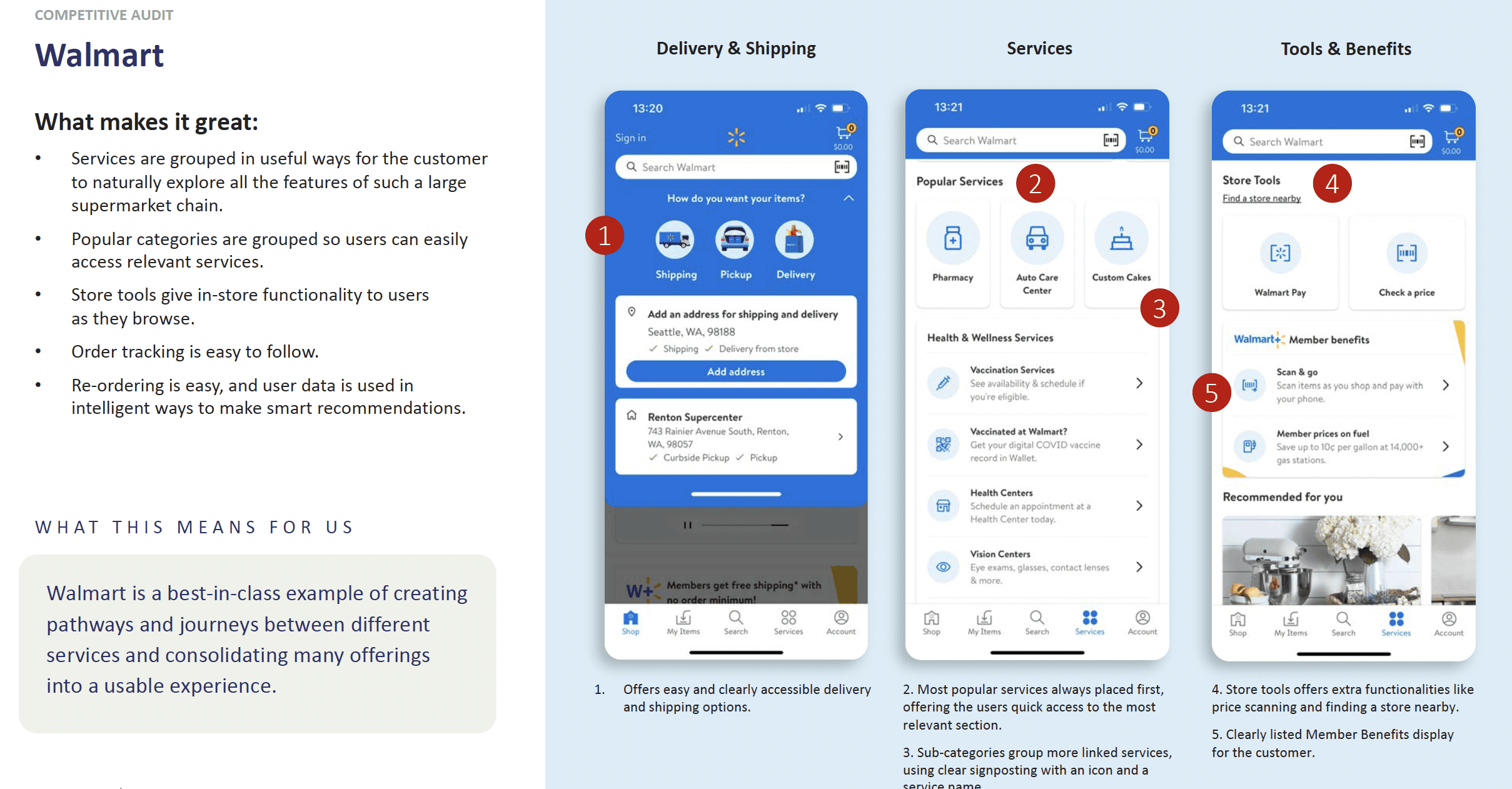
Barriers & Best Practices
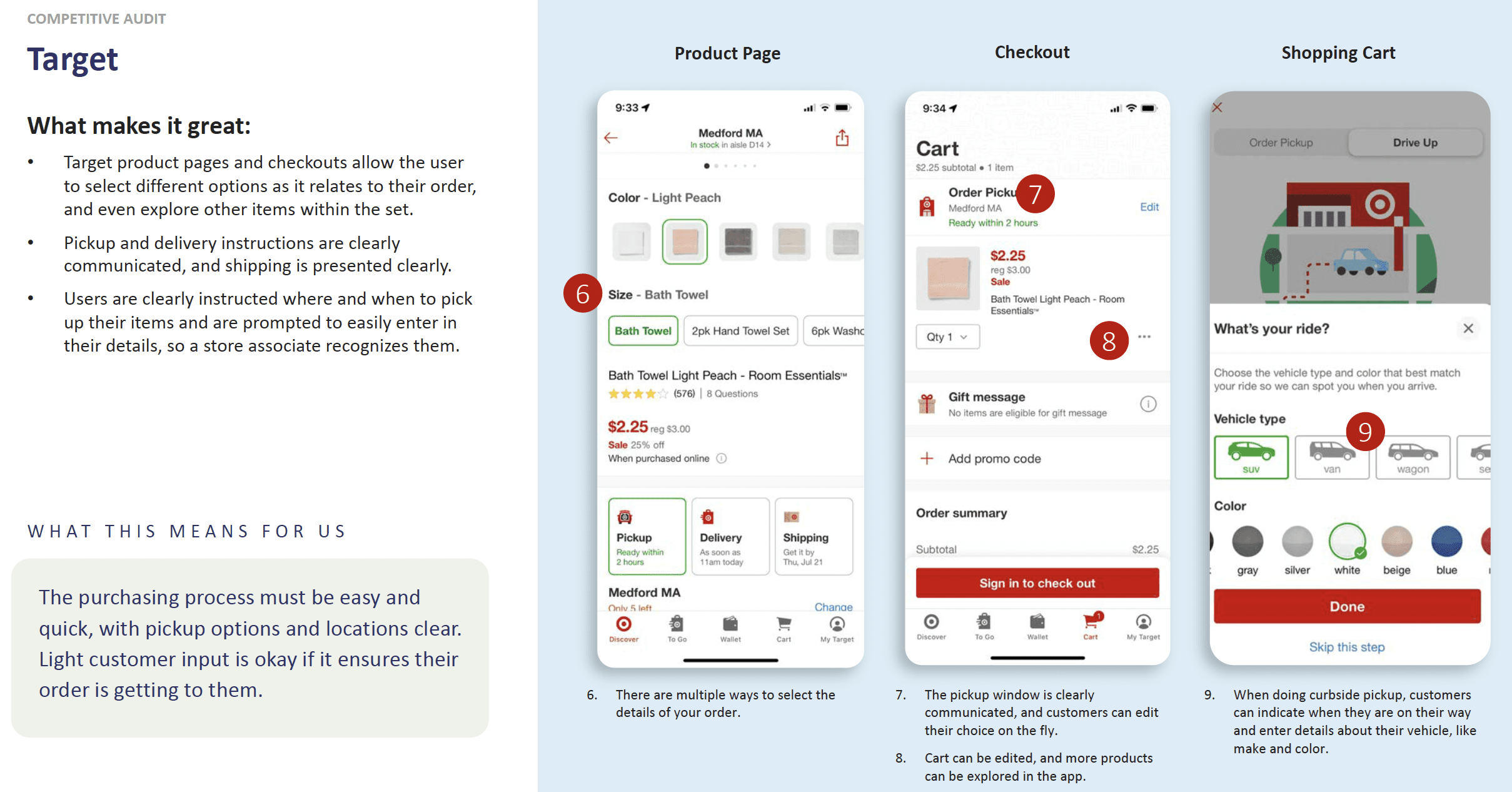
Performed competitive benchmarking and heuristic evaluations against leading pharmacy and retail apps to reveal UX gaps and opportunities for improvement.
Insights & Recommendations
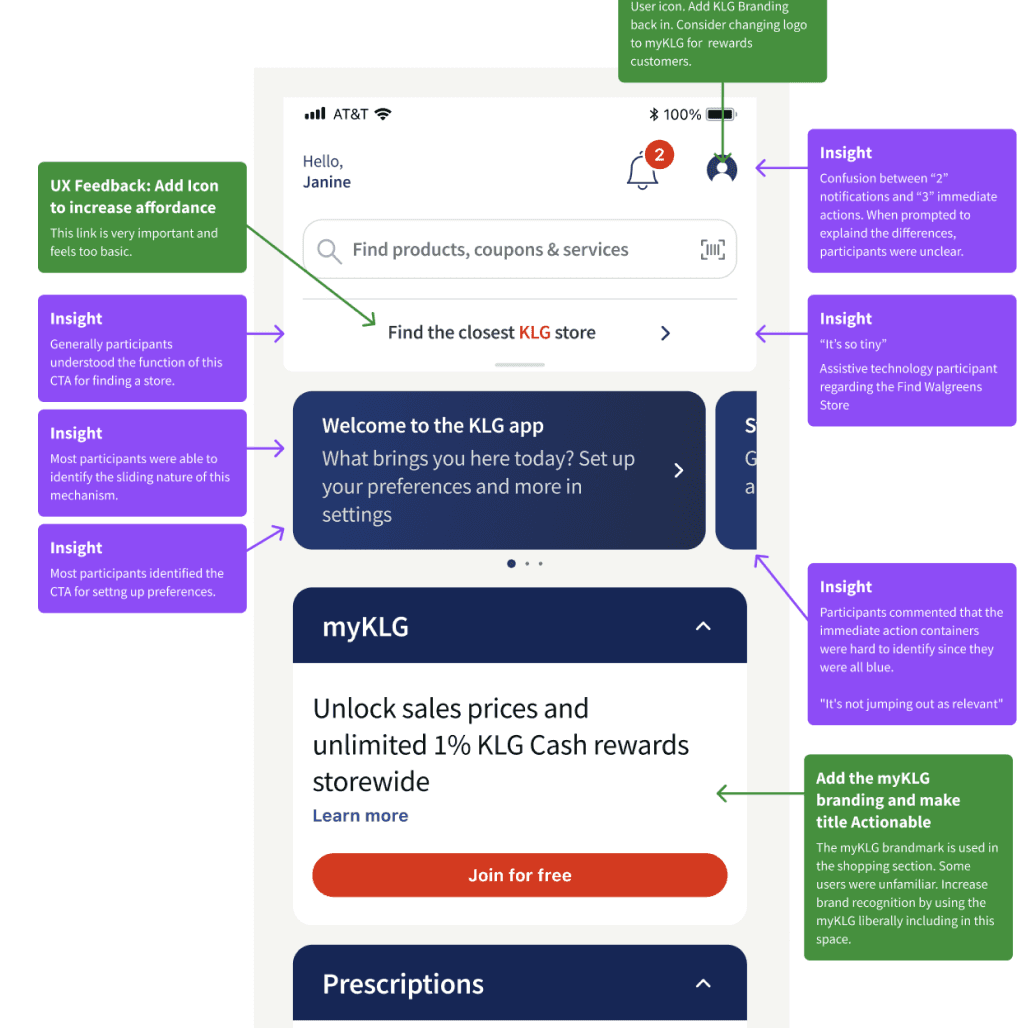
Synthesized findings into actionable recommendations that guided our initial design hypotheses, informed feature prioritization, and aligned product stakeholders around a unified experience.
Impact
Reliable Design Execution
My design pod distinguished itself early, by being able to consistently delivered despite shifting requirements and priorities.
Autonomous Leadership
As pod lead, I enabled my pod to be focused, reduced rework, and operate with minimal escalation. This was critical as senior leadership needed to focus their attention on other teams that need more hands on help.